
November 19, 2025
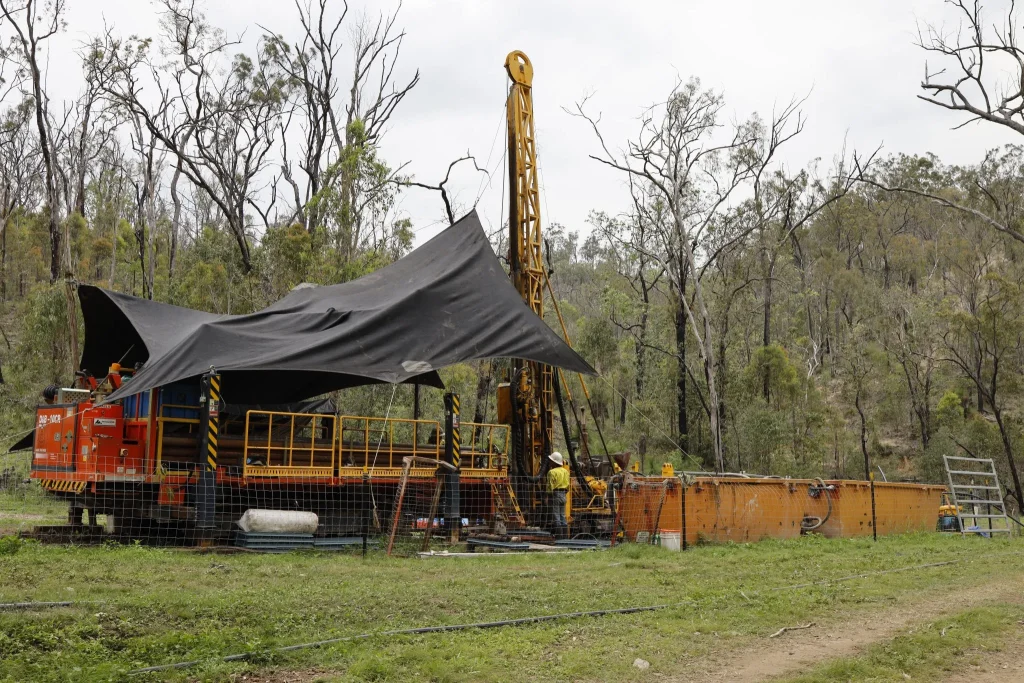
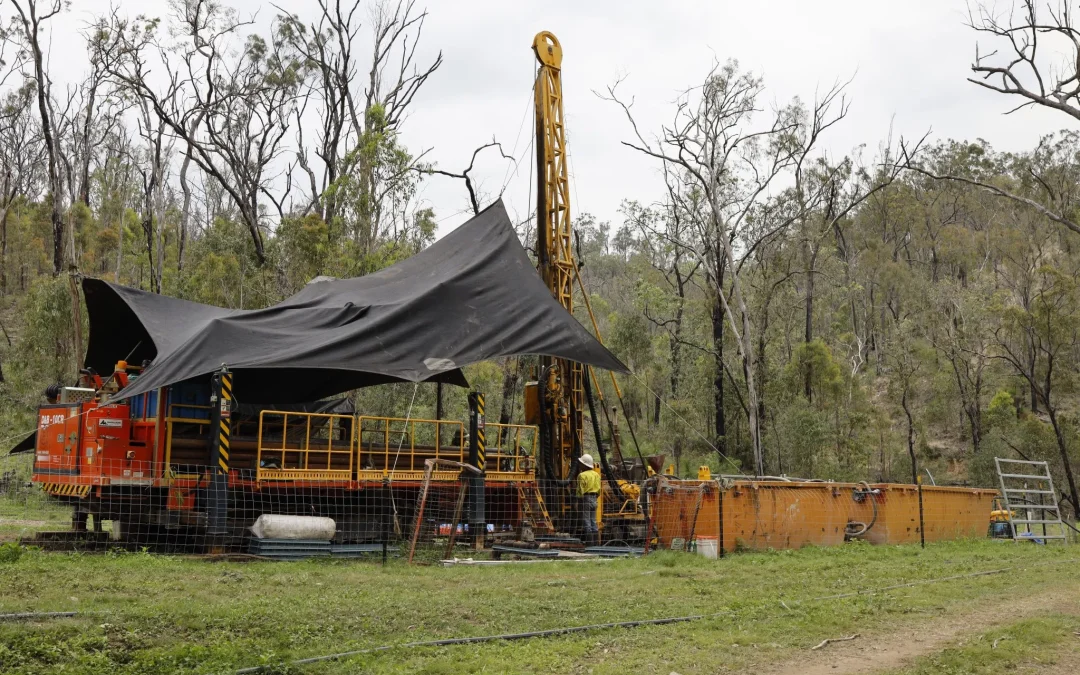
Alma Metals (ASX:ALM) has received partial assays from a deep drillhole from the Briggs Project’s resource in Queensland, which Managing Director Frazer Tabeart says reinforces the “scale and economic significance of the contact zones”.
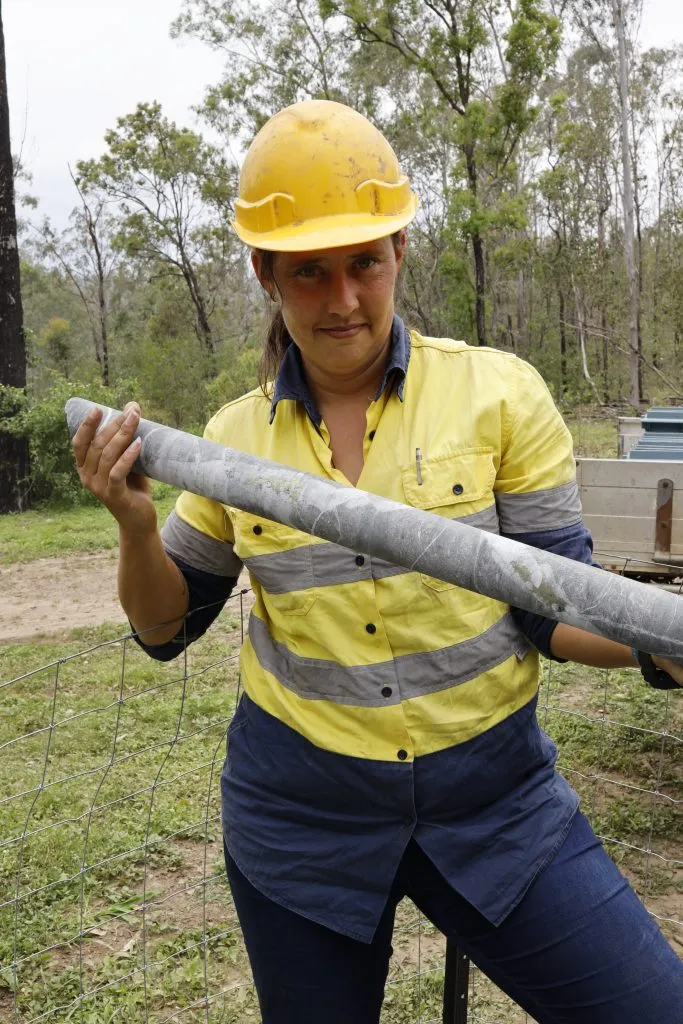
Drillhole 25BRD0037, which was drilled through the Briggs resource to 809.9m, has returned assays from the top 231.2m. The core logging indicates the strongest copper mineralisation and alteration is visible 100m either side of the contact between the porphyritic granodiorite and the enclosing volcanic sediments at 472m.
The results include 222.2m @ 0.26% copper, 48 parts per million (ppm) molybdenum, 0.72 grams per tonne silver from 9m, including 54m @ 0.31% copper, 54ppm molybdenum, and 0.83g/t silver from 62m.
Tabeart adds that the hole marks an “excellent” start to the expanded infill drill program that will form a core component of the Prefeasibility Study (PFS) at Briggs.
“We await the assays for the remainder of the hole, which includes a 200m zone with very good visual estimates trading the southwest intrusive contact, which could further strengthen this result,” he says.
Briggs is moving straight to a PFS to assess a 30 million tonnes per annum open pit operation – initially comprising drilling to enhance and expand the mineral resource; more detailed metallurgical studies to optimise the process flowsheet; and additional evaluation of a molybdenum circuit and the use of coarse-particle flotation technology.
Mining Plus was engaged to study potential open pit mining operations at Briggs on an owner-operated basis, as well as to provide capital and operating cost estimates and a conceptual project layout.
Briggs is located in central Queensland, 60km to the south-west of the industrial port city of Gladstone, within proximity to a major infrastructure corridor.
Molybdenum is mined at less than 80 projects of which 40 are based in China. Most production is dominated by China (53%), with Peru (16%), Chile (15%), and the US (12%) other main regions to mine the silver-grey refractory metal.
According to the US Geological Survey’s Mineral commodity summaries 2024, identified resources of molybdenum worldwide total about 25.4 million tons (23.04 million tonnes).
Yet less than 10 Mo operations are currently primary mines – in the others it’s a byproduct of copper. Only two active primary moly mines currently operate outside of China – both in Colorado, US, reflecting declining Western output.
Of the nearly 700 copper mines around the world just 60 reportedly also produce moly.
Molybdenum has a higher supply risk than copper, nickel, lead, zinc, as well as lithium. Given the metal is officially listed as a critical mineral in Canada, China, and Japan there are concerns in the future this could lead to export restrictions from China, which accounts for 45% of global output.
Alma Metals is an Australian copper explorer focused on growing its resources to provide future options for reducing the supply gap shortfall.